
Shadow Tactics: Blades of the Shogun GDD
Player Mechanics
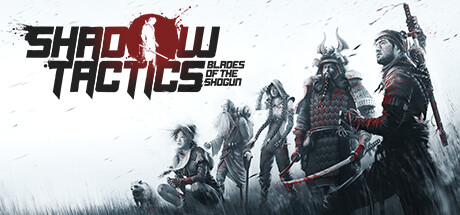
Shadow Tactics: Blades of the Shogun
- Status
- Released
- Year
- 2016
- Genre
- Indie, Strategy
- Platforms
- Windows, macOS, Linux
Players command a small squad of stealth specialists in real time, switching between characters to move, hide, distract, eliminate, manipulate bodies, trigger environmental opportunities, and synchronize actions through Shadow Mode. Each character has four active abilities mapped to A/S/D/F plus distinct mobility, noise, body-handling, and enemy-counter rules, so success comes from matching the right specialist to each patrol, terrain feature, objective, and failure state, then iterating with quicksave/quickload.
Player Control Model
Shadow Tactics is controlled as a real-time squad tactics game: the player selects one or more characters, issues movement or ability commands into the live simulation, and uses Shadow Mode when actions must resolve simultaneously. Player skill is not about mechanical twitch combat; it is about reading patrols, choosing the correct specialist, positioning safely, executing at the right time, and cleaning up the consequences.
| Input / Command | Supported Behavior | Design Purpose | Evidence Status |
|---|---|---|---|
| Character selection / squad switching | Switches the active specialist and updates the ability bar | Lets players compose solutions from multiple specialized toolkits | Supported by mechanics |
| A / S / D / F | Four active abilities per character | Keeps each specialist readable while preserving strong asymmetry | Supported by mechanics |
| Movement command | Walk, run, crouch, traverse valid terrain, or pathfind toward destination | Main positioning verb for stealth puzzle solving | Supported by mechanics |
| Crouch / stance control | Slower movement with reduced detection risk in outer vision-cone zones | Lets players cross marginally observed spaces | Supported by mechanics |
| Shadow Mode | Queue one action per eligible character, then execute queued actions together | Solves mutually-watching guard setups and timing puzzles | Supported by mechanics |
| F5 / F8 | Quicksave / quickload most recent mission snapshot | Enables safe experimentation and mastery iteration | Supported by mechanics |
| Camera rotation | Rotate the isometric view to inspect patrols, terrain, and line of sight | Supports planning in dense vertical levels | Supported by existing GDD; exact bindings need source confirmation |
Exact remappable control bindings beyond the documented defaults are not fully specified in available evidence.
Core Player Verbs
| Verb | What The Player Does | Main Constraints | Typical Feedback |
|---|---|---|---|
| Observe | Inspect vision cones, patrol routes, noise radii, terrain, bodies, enemy types, and objective space | Information is spatial and time-dependent; patrols continue in real time | Vision-cone colors, blue noise circles, patrol movement, suspicion / alert icons |
| Move | Walk, run, crouch, climb, swim, jump, use ladders, use hook-rings, or enter concealment | Movement archetype gates traversal; stance and surface affect noise / detection | Character pathing, footstep noise, concealment state, footprints in snow |
| Distract | Throw stone, whistle, use sake, talk in disguise, command Kuma, or use environmental stimuli | Enemy type and line of sight determine whether distraction works; over-luring can create danger | Guards turn, investigate, leave post, or ignore / resist the lure |
| Eliminate | Kill, knock out, snipe, trap, use firearms, use area attacks, or stage accidents | Range, line of sight, noise, enemy armor, ammo, cooldowns, and body exposure | Death / stun animation, noise radius, body state, alarm if witnessed |
| Manipulate Bodies | Carry, drag, throw, hide, or permanently dispose of bodies | Profile differs by character; carrying / dragging slows movement and can make noise | Body concealment, discovery risk removed, or alarm if seen |
| Interact With Environment | Cut cloth, open / close doors, use cranks, drop objects, hide in carts, extinguish torches, use wells / water | Many affordances require correct character archetype or target positioning | Path opens, vision changes, accident kill, hiding state, permanent body removal |
| Coordinate | Use Shadow Mode to stage simultaneous moves or abilities | Characters in blocking states cannot queue; targets can move out of range before execution | Queued action icons / paths, simultaneous resolution, partial failures possible |
| Recover / Iterate | Break line of sight, hide, quickload, or restart after failure | Alarm consequences persist unless reloaded; poor saves can preserve bad states | Detection reset, mission failure screen, restored quicksave snapshot |
Specialist Ability Matrix
Each playable character has a fixed tactical identity. The roster available in a mission is curated, so not every solution can rely on every tool.
| Character | Tactical Role | Mobility / Body Profile | Main Abilities And Uses | Key Limits / Counters |
|---|---|---|---|---|
| Hayato | Infiltration and fast disruption | Agile; silent running; can climb, swim, jump, balance, use hookshot / hook-rings; carries one body slowly | Fast quiet stealth kill; reusable shuriken for quiet ranged kills; thrown stone for short distractions; matchlock pistol after campaign unlock | Shuriken needs line of sight, creates a death cry, must be retrieved, and can leave a writhing target visible; pistol is loud and ammo-limited |
| Yuki | Lure and trap specialist | Agile; can climb, swim, jump, balance; drags one body slowly through outer vision-cone zones | Slow / noisier takedown; pressure trap; bird whistle to pull guards; pickpocketing; matchlock pistol after unlock | Trap setup takes time/noise, must be retrieved after activation, and exposed victims can trigger alarm; whistle may attract too many guards |
| Mugen | Crowd control and samurai counter | Heavy; ladders only; cannot swim / jump / climb vines; carries two bodies and can throw bodies; can carry heavy objects; 6 HP observed vs 4 HP for others | Fast takedown; Sword Wind area kill vs non-samurai; sake lure; hand cannon after unlock; heavy-object throws / crushes | Low agility; Sword Wind has long vulnerable animation and cooldown; sake must be visible and retrieved; hand cannon is loud and has fewer shots |
| Aiko | Social infiltration and vision disruption | Agile; silent running; can climb, swim, jump, balance; drags one body through outer vision-cone zones | Hairpin takedown; sneezing powder to shrink vision; disguise / conversation; matchlock pistol after unlock | Disguise requires environmental clothing, breaks on attacking / vine climbing / entering water / witnessed kill; samurai see through disguise |
| Takuma | Long-range elimination and remote distraction | Heavy / least mobile; ladders only; cannot swim / climb vines / balance; loud running; cannot carry bodies | Scoped rifle; grenades / knockout gas variant; Kuma distraction; matchlock pistol | Rifle needs clear line of sight and limited ammo; cannot move while aiming; grenades are noisy and friendly-fire capable; Kuma range depends on Takuma position |
Movement And Traversal Rules
| Rule Area | Player-Facing Rule | Design Implication |
|---|---|---|
| Stance | All characters can walk, run, and crouch; crouching is slower but safer in the outer area of vision cones | Players trade speed for stealth and use stance to cross partial exposure zones |
| Noise | Running, body handling, water, and some abilities create audible events; Hayato / Yuki / Aiko are documented as silent runners, while Takuma is loud | Movement choice can be as important as route choice |
| Agile traversal | Agile characters can use vines, swimming routes, jumps, narrow walkways, and relevant hook traversal | Level routes are character-gated; agile characters often open or scout paths |
| Heavy traversal | Heavy characters can use ladders but not water / vines / jumps / narrow walkways | Heavy specialists are powerful but require planned routes and sometimes support |
| Concealment | Bushes, hedges, building interiors, doors, carts, and similar spaces can hide characters and/or bodies when supported by level design | Safe spaces form staging points between patrol puzzles |
| Weather / terrain | Snow leaves temporary footprints; water / puddles create splash noise; darkness reduces vision while torches restore it locally | Missions can modify movement risk without changing the core verb set |
| Blocking states | Climbing, swimming, carrying bodies, and ability animations can block ability use or Shadow Mode queueing | Players must finish risky movement before executing synchronized actions |
Exact movement speeds, jump distances, noise radii, and footprint fade durations are unknown in available sources and should remain tunable implementation values.
Combat, Stealth, And Elimination Constraints
| Constraint | Player Impact |
|---|---|
| Line of sight matters | Shuriken, rifle shots, firearm attacks, some lures, and many takedowns require valid sight lines or reachable targets. |
| Noise radius matters | Loud kills, firearm shots, grenades, trap setup, running, and body handling can pull nearby guards into investigation. Blue circles communicate affected range where documented. |
| Enemy type matters | Normal guards use baseline stealth rules; Straw Hats resist or limit some distractions and can spot projectiles; Samurai resist many instant-kill tools and see through Aiko’s disguise. |
| Bodies are evidence | Slain or unconscious bodies trigger alarm if seen unless hidden, disposed of, or treated as accident outcomes. |
| Non-instant deaths are dangerous | Shuriken and traps can leave victims writhing briefly; other enemies seeing the victim can alarm. The player can sometimes grab the victim to skip the delay. |
| Firearms are fallback tools | Pistols / hand cannon / rifle provide reach but are loud, ammo-limited, and campaign-gated. Standard pistols stun Samurai rather than killing them; Mugen’s hand cannon can kill Samurai. |
| Area effects can hurt allies | Grenades and some large attacks can affect friendly characters if they are inside the blast / effect radius. |
| Environmental kills are stealth-positive | Dropped objects, heavy-object crushes, animals, poison-like setups, and other accident kills are generally treated as accidents when supported by level context. |
Body Handling Profiles
| Character / Profile | Method | Strengths | Risks |
|---|---|---|---|
| Hayato | Carries one body | Faster evidence removal than dragging; can reposition bodies to bushes / wells / interiors | Slow and noisy while carrying; visible if walking into line of sight |
| Yuki | Drags one body | Can pass through outer darker vision-cone regions while dragging | Very slow and noisy; vulnerable if route is not clear |
| Mugen | Carries two bodies; can throw bodies | Best cleanup capacity; thrown bodies can stun / knock down targets; can remove multiple bodies quickly | Heavy route restrictions; noise while running with bodies; thrown bodies may land in sight |
| Aiko | Drags one body | Similar stealth advantage to Yuki when crossing outer vision-cone zones | Slow; disguise / body handling interactions must be managed carefully |
| Takuma | Cannot carry bodies | Keeps long-range specialist focused on overwatch and remote support | Requires other characters to clean up kills he creates |
Body disposal targets include bushes, wells, water, rooftops, building interiors, behind doors, hedges, cliffs, and other level-authored concealment or removal zones. Bodies placed in permanent removal zones cannot be recovered, which is usually beneficial but can matter for edge-case objectives or badge routing.
Shadow Mode Coordination
Shadow Mode is the primary multi-character execution tool.
- The player enters the planning layer.
- The player selects eligible characters and queues one action per character, such as a movement, attack, ability, or interaction.
- The live simulation continues while planning; patrols and detection timers do not freeze.
- The player triggers execution, causing all queued actions to begin together.
- Any queued action can still fail if its target moved, line of sight broke, cooldown / ammo became invalid, or the character entered a blocking state.
flowchart LR
    Observe[Observe overlapping guard coverage] --> Position[Move specialists into safe positions]
    Position --> Queue[Queue actions in Shadow Mode]
    Queue --> Check{Targets still valid?}
    Check -- Yes --> Execute[Execute synchronized actions]
    Check -- No --> Reposition[Cancel, reposition, or wait]
    Execute --> Cleanup[Hide bodies / break line of sight / continue objective]
    Reposition --> Observe
Design role: Shadow Mode lets the player solve guard formations that would otherwise be impossible because enemies watch each other. It does not replace real-time timing; it concentrates multiple player decisions into one simultaneous commitment.
Recovery, Failure, And Iteration
| Situation | Player Response | Consequence |
|---|---|---|
| Suspicion begins | Stop, crouch, hide, distract, or break line of sight | Detection can reset if the enemy completes investigation without confirming the player |
| Full detection / alarm | Escape, hide, continue under pressure, or reload | Reinforcements / searches may appear; alarm-level consequences persist until reload or mission completion |
| Character caught in melee during alert | Mission failure | Player must reload or restart |
| Body discovered | Alarm response | Prevented by hiding / disposing of bodies before patrols see them |
| Ability target invalidated | Reposition, choose a different tool, or reload | Common in Shadow Mode if patrol timing changes between queue and execution |
| Bad quicksave | Reload may preserve an unwinnable or compromised state | Players are encouraged to save after confirming an action is safe, not during unresolved danger |
| No-save badge pursuit | Avoid quicksaving entirely | Increases tension and changes risk tolerance during mastery runs |
Important Edge Cases To Preserve
| Edge Case | Expected Design Handling |
|---|---|
| Reusable item lands out of reach | The relevant ability may be lost until item retrieval is possible; avoid silently restoring it unless the design explicitly allows recovery. |
| Trap placed in enemy vision | Enemy can spot / avoid the trap; bush placement can auto-conceal the victim after activation. |
| Disguise breaks in view | Aiko becomes exposed and can be attacked immediately, especially by Samurai who already see through disguise. |
| Heavy character ordered through agile-only route | Pathfinding should reroute or fail clearly rather than forcing impossible traversal. |
| Takuma kills a distant target | Another character may still need to reach and hide the body if it can be seen. |
| Shadow Mode partial failure | Successful queued actions still resolve; failed actions can leave characters exposed. |
| Crouching through outer vision | Should remain safe only in the documented darker / outer zone, not in close or full detection areas. |
| Snow footprints after stealth action | Enemies can follow the trail even if the player was never directly seen. |