
Character Movement System
Base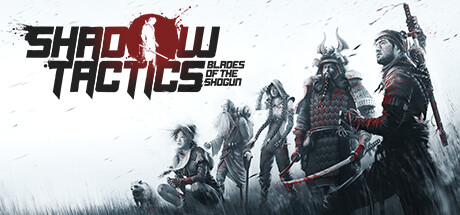
Shadow Tactics: Blades of the Shogun
- Status
- Released
- Year
- 2016
- Genre
- Indie, Strategy
- Platforms
- Windows, macOS, Linux
1. Summary
A character-movement system that divides playable characters into agile and heavy mobility archetypes, gating traversal options (vine climbing, swimming, rooftop jumping, grappling hooks, narrow walkways) by archetype while varying footstep noise and body-carrying capacity. Movement stance (standing, crouching, running) directly interacts with the stealth detection layer, and certain movement states (climbing, swimming, carrying a body) block ability use.
3. Design Intent / Job Story
When planning a route through a patrolled environment, I want to know which characters can traverse which terrain and how much noise they make, so that I can choose the right character for each path and remain undetected.
4. Role in Gameplay Loop
- Defines the traversal puzzle layer of each mission by restricting certain paths to specific character archetypes
- Drives squad composition and positioning decisions through mobility differentiation
- Creates risk/reward tension between fast but noisy movement and slow but stealthy movement
- Gates environmental verticality (rooftops, cliffs, water crossings) behind character capabilities
- Integrates with the stealth detection system via stance-based visibility and footstep noise
- Enables emergent tactics through body-transport profiles (carry, drag, throw) that affect speed and stealth
5. Preconditions
- The mission level has loaded with terrain affordances (vines, ladders, hook-rings, water, rooftops, narrow walkways)
- At least one player-controlled character is alive and not incapacitated
- The active character's movement archetype permits the desired traversal type
- For grappling-hook use, a hook-ring must be present in the environment
- For body transport, a manipulable body must be within interaction range
6. Parameters
| Parameter | Value | Type | Notes |
|---|---|---|---|
| Movement archetypes | Agile / Heavy | enum | Determines available traversal options |
| Traversal types | Walk, Run, Crouch, Climb, Swim, Jump, Balance, Grapple | enum set | Available movement states |
| Run speed modifier | 1.5–2.0× base | scalar | Movement speed multiplier while running |
| Crouch speed modifier | 0.4–0.6× base | scalar | Movement speed multiplier while crouching |
| Footstep noise profile | Silent / Normal / Loud | enum | Audible radius category for running |
| Vine climb speed | TBD | duration | Time to ascend/descend a vine |
| Ladder climb speed | TBD | duration | Time to ascend/descend a ladder |
| Grapple hook speed | TBD | duration | Time to ascend via grappling hook |
| Jump distance | TBD | distance | Maximum horizontal gap an agile character can jump |
| Body carry speed modifier | 0.3–0.5× base | scalar | Speed reduction while carrying a body |
| Body drag speed modifier | 0.2–0.3× base | scalar | Speed reduction while dragging a body |
| Heavy object speed modifier | 0.2× base | scalar | Speed reduction for heavy archetype carrying stones or barrels |
| Snow footprint duration | TBD | duration | Time before footprints fade on snow |
| Water splash noise radius | TBD | distance | Radius within which swimming/splashing alerts enemies |
| Disguise break triggers | Climb vine, Enter water | enum | Actions that immediately cancel disguise state |
| Ability block states | Climbing, Swimming, Carrying body | enum set | States during which abilities cannot be used |
7. Core Rules
- Each playable character belongs to one of two movement archetypes: Agile or Heavy.
- Agile archetype characters can climb vines, swim, jump between rooftops, balance on narrow walkways, and use grappling hooks at environmental hook-rings.
- Heavy archetype characters can climb ladders but cannot swim, climb vines, jump, balance on narrow walkways, or use grappling hooks.
- All characters can walk, run, and crouch regardless of archetype.
- Running produces footstep noise; the noise level varies by character (silent, normal, or loud).
- Crouching reduces movement speed and allows undetected passage through the outer (darker) region of enemy vision cones.
- While climbing, swimming, carrying a body, or performing another action, ability use is blocked.
- Disguise state is cancelled when the character climbs a vine or enters water.
- Body transport modifies movement speed and noise based on the transport method: carrying (moderate slowdown, audible noise), dragging (significant slowdown, audible noise but can pass through outer vision cone undetected), or throwing (instant launch, stuns enemy on impact).
- Heavy archetype characters can carry heavy environmental objects (stones, barrels) at a severe speed penalty and may throw them.
- Snow-covered terrain leaves temporary footprints that enemies can detect and follow.
- Standing water creates splash noise that guards within hearing radius can detect.
- Characters transition between movement states automatically when interacting with terrain affordances (approaching a vine, ladder, or water edge).
- Leaping kills from elevated positions are only available to characters with the jump/climb capability.
8. BDD Scenarios
Scenario: Agile character climbs vine to rooftop
- Given
- an agile archetype character is adjacent to a climbable vine
- When
- the player issues the move command toward the vine
- Then
- the character begins climbing
- And
- reaches the rooftop at the top of the vine
- And
- can now jump to adjacent rooftops or use a grappling hook at a hook-ring
Scenario: Heavy character cannot traverse water
- Given
- a heavy archetype character is at the edge of a body of water
- When
- the player attempts to move into the water
- Then
- the character stops at the edge
- And
- cannot enter the water
Scenario: Silent runner passes near a guard
- Given
- a character with a silent running profile
- When
- the player holds the run command past the guard
- Then
- the guard does not react to footstep noise
- And
- a patrolling guard nearby
- And
- continues patrolling undisturbed
Scenario: Crouching through outer vision cone
- Given
- a character is in crouch stance
- When
- the character moves through the outer region
- Then
- the enemy remains in the undetected state
- And
- an enemy's vision cone overlaps the character's position in the outer region
Scenario: Body carrying blocks ability use
- Given
- a character is carrying a body on their back
- When
- the player attempts to activate an ability
- Then
- the ability activation is blocked
- And
- a visual or audio feedback indicates the blocked state
Scenario: Disguise breaks on vine climb
- Given
- a disguised character is near a climbable vine
- When
- the player orders the character to climb the vine
- Then
- the disguise is immediately removed
- And
- the character begins climbing in normal visibility
Scenario: Snow footprints lead enemy to player
- Given
- a snowy level surface
- When
- the player character runs across the snow
- Then
- footprints are left behind
- And
- if an enemy patrol intersects the trail, they follow it toward the player's last known position
Scenario: Leaping kill from rooftop
- Given
- an agile character is on a rooftop above an enemy
- When
- the player executes a leaping kill command
- Then
- the character drops onto the enemy
- And
- the enemy is killed or knocked out
9. Edge Cases
- A character attempts to jump a gap that exceeds the maximum jump distance and falls
- A heavy archetype character is ordered to a destination reachable only by swimming; the pathfinder must reroute or fail
- A character carrying a body is spotted at greater distance due to the body being visible over cover
- A disguised character enters water and the disguise breaks while enemies are watching
- Snow footprints from multiple characters cross, causing enemies to follow the most recent trail
- A thrown body misses its target and lands in an enemy's vision cone, causing unintended discovery
- A character starts climbing a vine just as a guard turns toward them; the climbing animation may expose them
- A character swimming is spotted by an enemy on a bridge or cliff above
- A character attempts to grapple to a hook-ring but the target position is occupied by another character or object
- Running noise from one character alerts a guard who then spots a second, silent character in their vision cone
10. QA Notes
- Verify agile archetype characters can climb all designated vines and use all hook-rings
- Verify heavy archetype characters cannot interact with vines, water, narrow walkways, or hook-rings
- Verify footstep noise levels: silent runners produce no audible radius, normal runners produce standard radius, loud runners produce expanded radius
- Verify crouching allows undetected movement through the outer vision-cone region for all archetypes
- Verify ability use is blocked while climbing, swimming, or carrying a body
- Verify disguise breaks immediately upon climbing a vine or entering water
- Verify snow footprints spawn correctly and fade over time
- Verify standing water splash noise alerts enemies within the correct radius
- Verify body carrying reduces speed and increases visibility/detection probability
- Verify body dragging allows movement through outer vision cone without detection
- Verify leaping kills work from all valid elevated positions (rooftops, walls, cliffs)
- Verify ladder climbing works for all characters and does not break disguise
- Verify grappling hook ascent is only available at designated hook-ring locations
- Verify jump distance is consistent across all agile characters
- Verify heavy object carrying (stones, barrels) reduces speed to slow walk for heavy archetypes
11. Mechanic Dependencies
- Stealth Detection System (movement stance and footstep noise directly affect detection states and vision-cone visibility)
- Character Ability System (ability usage is blocked while climbing, swimming, carrying a body, or performing another action)
- Stealth Elimination Mechanics (leaping kills from elevated positions require the jump/climb traversal capabilities)
- Environmental Interaction System (terrain affordances (vines, hook-rings, water, rooftops, snow) are provided by the environment system)
- Body Manipulation Mechanics (body transport methods (carry, drag, throw) are defined as movement-state modifiers with speed and noise penalties)
- Character Specialization System (movement archetype is a core pillar of character specialization differentiation)
12. UI Links
- Options Menu - Controls settings configure input bindings that drive character movement commands
- Post-Mission Results Screen - the Heroes tab shows time played per character as MM:SS with percentage, reflecting how much each character was actively selected and moved during the mission
- Character Portrait And Selection Panel - Switching characters via the portrait panel changes which character the player directly controls for movement and positioning.
- Shadow Mode Command UI - The Character Movement System is used when the player positions characters before activating Shadow Mode. Movement commands can also be queued as the single action for a character in Shadow Mode.
- Enemy Vision Cones - The Character Movement System determines how players interact with vision cones. Standing characters are detected in the inner zone; crouching characters are only detected in the outer zone. Movement speed and stance directly affect detection buildup within the cone.
- Detection Feedback Overlay - Character stance and movement speed affect whether the player remains safe in a cone or causes suspicion buildup, making movement state a direct input to the overlay.
References
- 1.
Steam Community :: Guide :: Shadow Tactics: Full Character Guides and Tricks (L0-200 of 116)
- 2.
Steam Community :: Guide :: Shadow Tactics: Blades of the Shogun 101 (L4-100 of 101)
- 3.
Shadow Tactics: Blades of the Shogun (L4-50 of 52)