![Visual reference from Прохождение Shadow Tactics: Blades of the Shogun 1 - Осада Осаки Тракт Накасено [Профессионал] at 2:48:30-2:48:36](/published/media/shadow-tactics-blades-of-the-shogun/source-9-preview-71d65cc4ad.jpg)
![Visual reference from Прохождение Shadow Tactics: Blades of the Shogun 1 - Осада Осаки Тракт Накасено [Профессионал] at 3:10:24-3:10:25](/published/media/shadow-tactics-blades-of-the-shogun/source-9-preview-0240d0a6d6.jpg)

Melee Takedown Variations
Advanced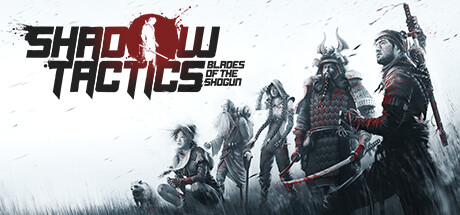
Shadow Tactics: Blades of the Shogun
- Status
- Released
- Year
- 2016
- Genre
- Indie, Strategy
- Platforms
- Windows, macOS, Linux
1. Summary
Melee takedown variations define how the shared close-range attack slot behaves differently by character owner: most controllable characters have an A-slot melee elimination, but each variant differs in execution speed, noise risk, and enemy-type coverage. The system creates tactical tradeoffs between fast/quiet normal-guard removal, slower/noisier attacks that demand more isolation, and a specialized sword-to-sword takedown that can directly kill Samurai at the cost of a longer vulnerable animation; Takuma is the notable exception with no melee takedown.
3. Design Intent / Job Story
When I need to remove an enemy at close range without collapsing the stealth plan, I want each character's melee takedown variant to communicate its speed, noise, and target limitations, so that I can assign the right character to the right elimination window.
4. Role in Gameplay Loop
- Adds tactical differentiation inside the common close-range elimination verb
- Forces character assignment decisions based on target type, patrol timing, and nearby listener risk
- Gives fast/quiet variants value for tight stealth windows against ordinary enemies
- Gives slower/noisier variants higher setup requirements and stronger dependency on isolation
- Makes Samurai removal a specialized close-range role rather than a universal melee option
- Connects character selection, ability-slot usage, body handling, and alarm prevention into one planning loop
5. Preconditions
- A controllable character with a melee takedown variant is selected
- The character is alive, controllable, and not already performing another blocking action
- The target is within close melee range or a valid queued melee path can be resolved
- The target enemy type is vulnerable to the selected variant
- No observer is positioned to see the takedown animation, the victim, or the body afterward
- Nearby enemies are outside the variant's effective noise/listener risk, or are otherwise distracted
- For Samurai sword-to-sword kills, the specialized melee owner is available and can survive the longer exposed execution window
6. Parameters
| Parameter | Value | Type | Notes |
|---|---|---|---|
| Ability slot | A | hotkey | Shared close-range attack slot for characters with a melee takedown variant |
| Variant owners | Hayato, Yuki, Mugen, Aiko | set | Characters documented as having close-range kill/takedown variants |
| No-melee exception | Takuma | character | Does not possess a close-range attack skill; uses ranged tools instead |
| Hayato variant speed | Fastest / very fast | qualitative duration | Ninjato stealth kill described as one of the fastest |
| Hayato variant noise | Quietest / very quiet | qualitative radius | Ninjato stealth kill described as one of the quietest |
| Mugen normal-target speed | Very fast | qualitative duration | Katana takedown described as just as quick as Hayato's against normal enemies |
| Mugen normal-target noise | Very quiet | qualitative radius | Katana takedown described as just as quiet as Hayato's against normal enemies |
| Mugen Samurai execution | Longer than normal takedown | qualitative duration | Sword-to-sword Samurai kill takes a couple seconds and creates vulnerability |
| Aiko variant speed | Medium-fast | qualitative duration | Hairpin takedown is slower than Hayato/Mugen but faster than Yuki |
| Yuki variant speed | Slowest | qualitative duration | Knife attack takes longer than Hayato or Mugen |
| Yuki variant noise | Noisiest among documented melee variants | qualitative radius | Knife attack is described as a fair bit noisier |
| Samurai direct melee eligibility | Mugen only | boolean | Only the specialized sword-to-sword takedown can directly kill a Samurai in melee |
| Post-kill body risk | Body visible until hidden | state | Eliminated enemies can trigger alarms if discovered under normal body rules |
7. Core Rules
- Most controllable characters expose their melee takedown in the A ability slot; Takuma instead uses a ranged/sniper role and has no melee takedown.
- Each melee takedown targets one enemy at close range and resolves through an owner-specific animation.
- Melee variants differ by execution speed; faster variants fit shorter patrol gaps and reduce exposure time.
- Melee variants differ by noise risk; noisier variants require greater isolation from nearby enemies.
- Standard melee variants can kill ordinary vulnerable enemies but do not directly solve Samurai armor.
- The specialized Samurai-capable melee variant can kill a Samurai sword-to-sword, but the execution takes longer and leaves the character vulnerable to attacks from behind.
- A melee takedown is stealth-safe only if no enemy sees the approach, execution, victim, or resulting body.
- After a lethal takedown, the resulting body follows the normal body discovery rules and should be hidden if it remains in patrol sightlines.
- The Ability Command Bar must update the A-slot icon/name when the selected character changes, reflecting the current melee variant or absence of one.
- Queued melee takedowns in Shadow Mode should preserve the same owner-specific speed, noise, and target restrictions at execution time.
8. BDD Scenarios
Scenario: Fast quiet melee removal
- Given
- a vulnerable guard is isolated within close melee range
- When
- the player executes the A-slot melee takedown
- Then
- the guard is eliminated before the short patrol window closes
- And
- the selected character owns a fast quiet melee takedown variant
- And
- no nearby enemy hears or sees the elimination
Scenario: Slower noisy melee requires isolation
- Given
- a vulnerable guard is near another enemy's hearing or sightline
- When
- the player executes the A-slot melee takedown without first isolating the target
- Then
- the longer or noisier execution creates a higher chance of detection
- And
- the selected character owns a slower or noisier melee takedown variant
- And
- nearby enemies may investigate or raise an alarm if they hear or see the event
Scenario: Samurai killed by specialized melee variant
- Given
- a Samurai is within close melee range
- When
- the player executes the A-slot melee takedown on the Samurai
- Then
- the Samurai is killed directly
- And
- the selected character owns the sword-to-sword Samurai-capable melee variant
- And
- no enemy can attack the character from behind during the extended animation
- And
- the acting character remains vulnerable until the animation finishes
Scenario: Invalid Samurai melee with non-specialized variant
- Given
- a Samurai is selected as the target
- When
- the player attempts a direct melee takedown
- Then
- the action is blocked or fails according to Samurai immunity rules
- And
- the selected character owns a standard melee takedown variant
- And
- the player must use a specialized melee, ranged, stun-follow-up, explosive, or environmental solution
Scenario: Character without melee takedown selected
- Given
- the selected character has no close-range attack skill
- When
- the player reviews the A-slot ability area in the command bar
- Then
- no melee takedown variant is available for that character
- And
- close-range enemy removal must be solved through other abilities or other squad members
9. Edge Cases
- Target leaves melee range or changes facing while the character is pathing into the takedown
- A nearby guard enters hearing range during a slower or noisier melee animation
- A patrol sees the victim or body before the player can hide it
- A Samurai is targeted by a non-specialized melee variant and must reject, block, or survive the attempt
- The specialized Samurai melee starts successfully but another enemy attacks the vulnerable character from behind before completion
- A Shadow Mode queued melee fails because the target moved, became alerted, or became invalid by execution time
- The selected character changes before ability execution, requiring the A-slot variant and target validation to update
- The character is carrying a body, climbing, swimming, or otherwise in a state that should block melee activation
- The level includes no available owner for a required melee variant, forcing non-melee solutions
- A melee takedown completes in darkness or foliage but the resulting body is still partially visible to patrols
10. QA Notes
- Verify each documented melee owner displays the correct A-slot ability label/icon in the Ability Command Bar
- Verify Takuma has no close-range melee takedown available in the A slot
- Verify fast/quiet variants can remove isolated normal guards without alerting enemies outside the documented hearing/visibility risk
- Verify slower/noisier variants create detection risk when used near observers or listeners
- Verify Aiko's variant resolves faster than Yuki's but slower than Hayato/Mugen under equivalent conditions
- Verify Yuki's variant produces the highest practical noise/listener risk among documented melee variants
- Verify Mugen's normal melee takedown is as fast and quiet as Hayato's against ordinary vulnerable targets
- Verify only Mugen's sword-to-sword melee can directly kill Samurai
- Verify Mugen's Samurai melee uses a longer vulnerable animation and can be punished by enemies behind him
- Verify non-specialized melee variants cannot directly kill Samurai
- Verify bodies produced by melee takedowns use standard body visibility/discovery/alarm behavior
- Verify Shadow Mode queued melee takedowns preserve owner-specific timing, noise, and target validity
11. Mechanic Dependencies
- Character Ability System (Melee takedown variants are owner-specific active abilities within the broader character ability loadout system.)
- Stealth Elimination Mechanics (This mechanic specializes the general stealth elimination rules by defining close-range kill timing, noise, target validity, and body-risk differences.)
- Enemy Type Hierarchy (Enemy type rules determine which targets each melee variant can affect, especially Samurai immunity to standard melee solutions.)
- Shadow Mode Coordination System (Shadow Mode can queue simultaneous melee takedowns, so owner-specific timing and target restrictions must remain valid during coordinated execution.)
- Samurai (Samurai are the key exception that requires the specialized sword-to-sword melee variant or non-standard elimination methods.)
- Four-Slot Ability Binding Framework (The Four-Slot Ability Binding Framework places melee takedowns in the A-slot and exposes the selected character's current variant.)
12. UI Links
- Character Portrait And Selection Panel - The Character Portrait And Selection Panel controls which character is active, which in turn determines which melee takedown variant appears and executes.
- Ability Command Bar - The Ability Command Bar exposes the current character's A-slot melee takedown variant, including the absence or replacement of that slot for characters without a melee takedown.
- Shadow Mode Command UI - Shadow Mode Command UI can queue melee takedowns for simultaneous execution, requiring the UI to preserve owner-specific target validity and timing.
References
- 1.
Steam Community :: Guide :: Shadow Tactics: Full Character Guides and Tricks (L4-79 of 116)
- 2.
Steam Community :: Guide :: Shadow Tactics: Full Character Guides and Tricks (L79-111 of 116)
- 3.
Shadow Tactics: Blades of the Shogun (L4-12 of 52)
- 4.
Прохождение Shadow Tactics: Blades of the Shogun #1 - Осада Осаки | Тракт Накасено [Профессионал] (2:48:30-2:48:36)
- 5.
Прохождение Shadow Tactics: Blades of the Shogun #1 - Осада Осаки | Тракт Накасено [Профессионал] (3:10:24-3:10:25)